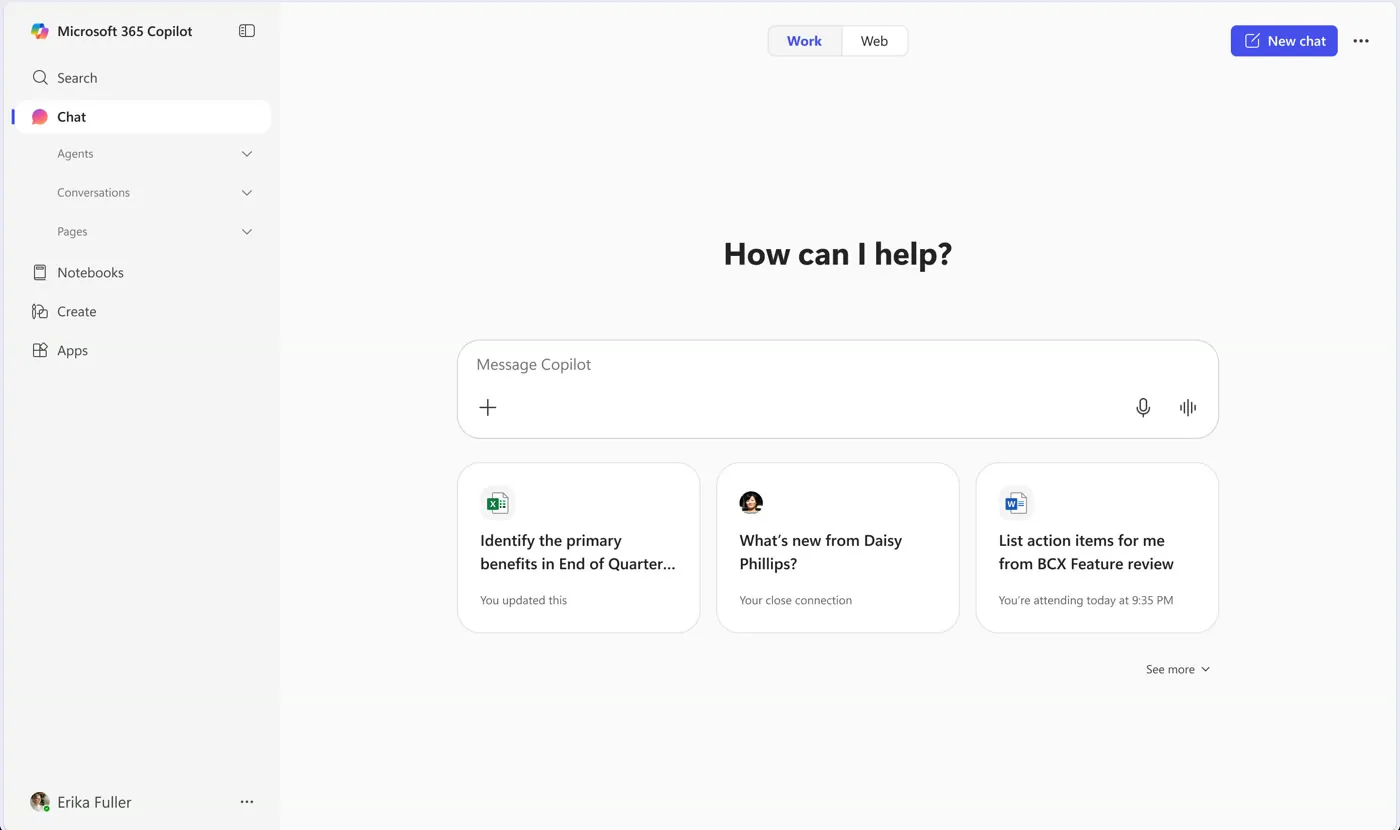












Copilot is driving productivity, but who is measuring the risk?
Copilot uses the information each person can access. Three questions IT and security teams need to answer before and during adoption.

Artificial intelligence is already part of how many organizations operate. The question is whether they are ready to control what happens when these tools access corporate data.
Microsoft Copilot can help teams work more efficiently, automate tasks and make better use of the information available. But there is one dimension we cannot ignore: productivity cannot grow at the cost of losing control over the organization's data.
From an infrastructure and cybersecurity perspective, the challenge is not only implementing AI. Its adoption also has to happen under the right conditions of security, access control and compliance.
Why does it matter?
Because Copilot can use any information each user has access to. If permissions are misconfigured, sensitive data is exposed or there are no clear information governance policies, AI can make it easier to reach information that should be better protected.
This raises three fundamental questions for IT and security leaders.
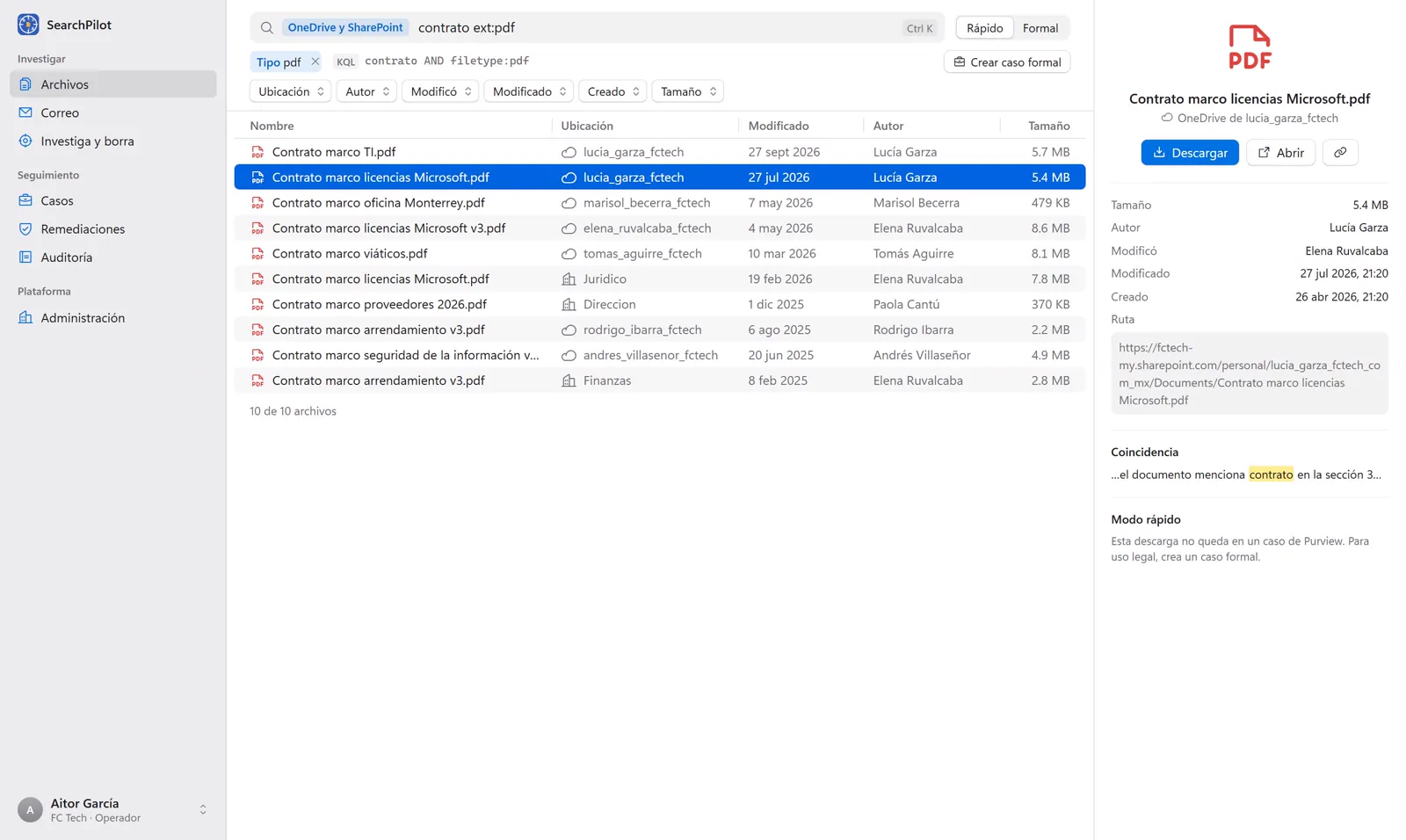
1. Do we know what information each user can access?
Before enabling new AI capabilities, it is essential to review permissions, access and any exposure of sensitive information.
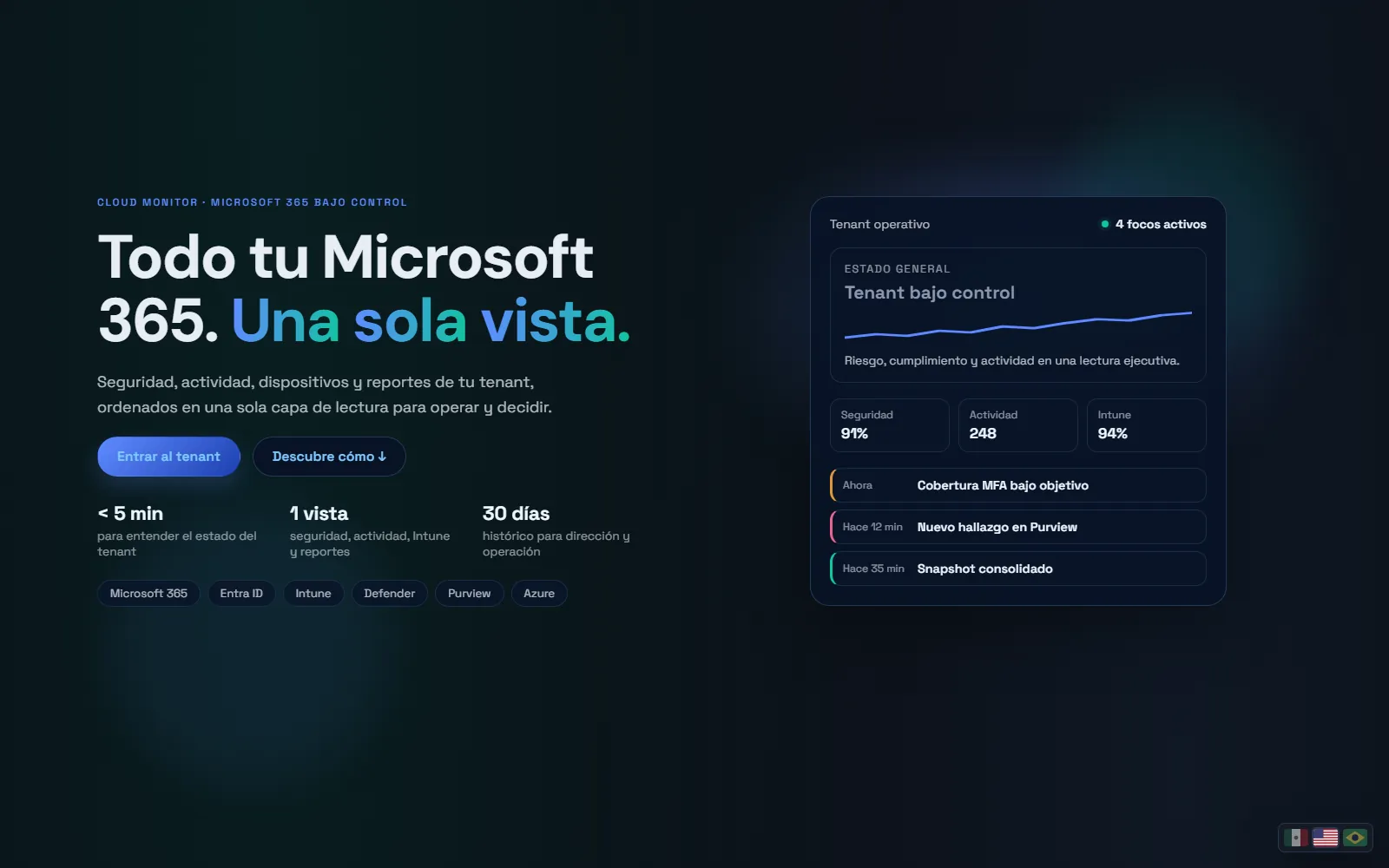
2. Do we have visibility into how AI is used?
Enabling licenses is not enough. You need to understand how these tools are used, identify potential risks and put the right controls in place.
3. Are we ready to govern this adoption?
Security has to be part of the whole process: from the initial configuration to monitoring, compliance and continuous improvement.
Modernization with control
The opportunity AI offers is huge. But adopting it without reviewing the organization's security posture can create a false sense of modernization.
True digital maturity is not about adding more technology, but about using it with control, visibility and accountability.
At FCTECH we believe productivity and security are not opposing goals. Both are necessary for innovation to create lasting value for the business.
The question for technology leaders is not only how much time we are saving with Copilot. It is also: do we have the visibility and controls we need to understand and manage the risks we are taking on?