












Our take on Microsoft Frontier Tour Mexico City
We were there with a booth at Expo Santa Fe. The highlights of the Frontier Transformation keynote and the sessions on security, skills and building with agents.
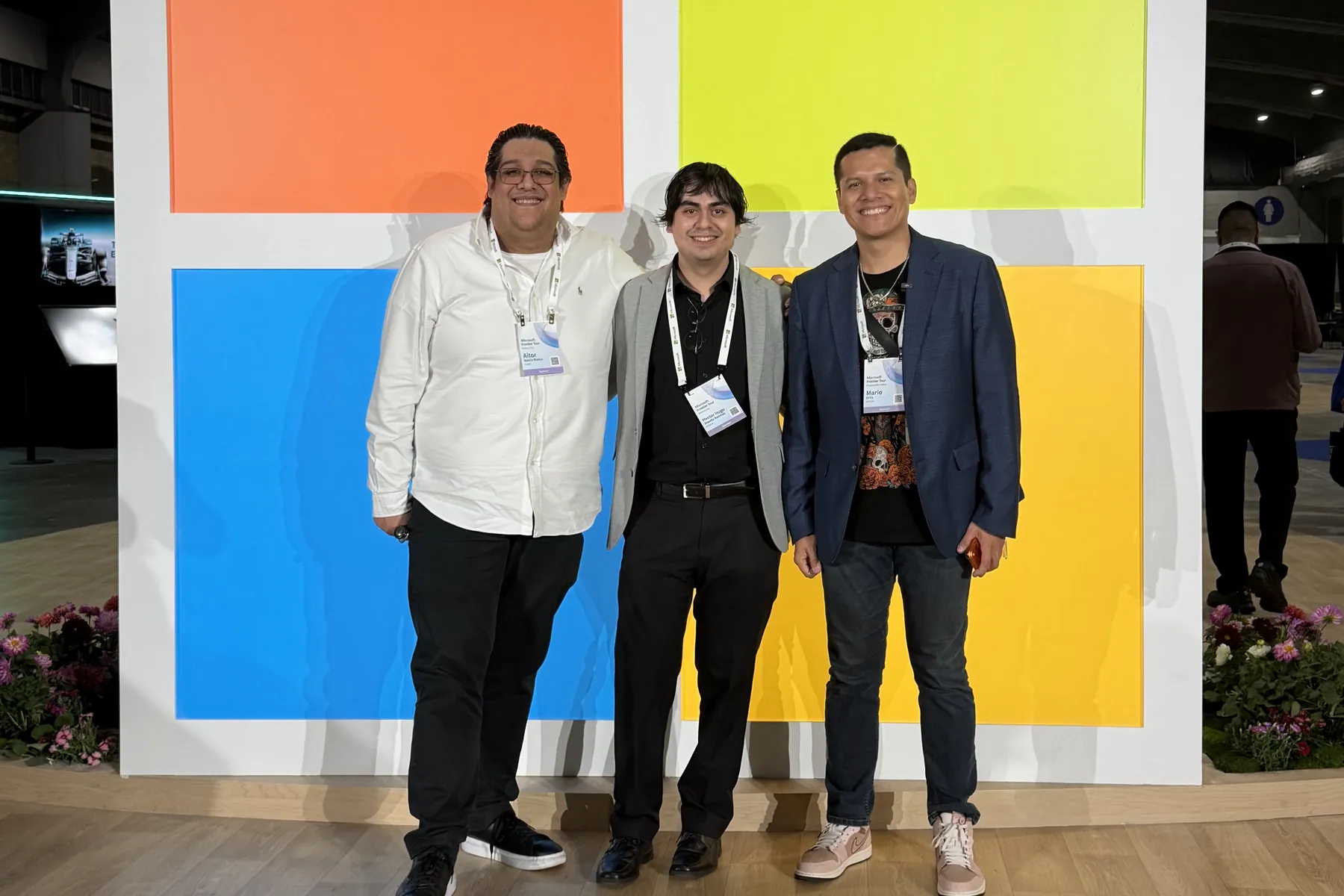
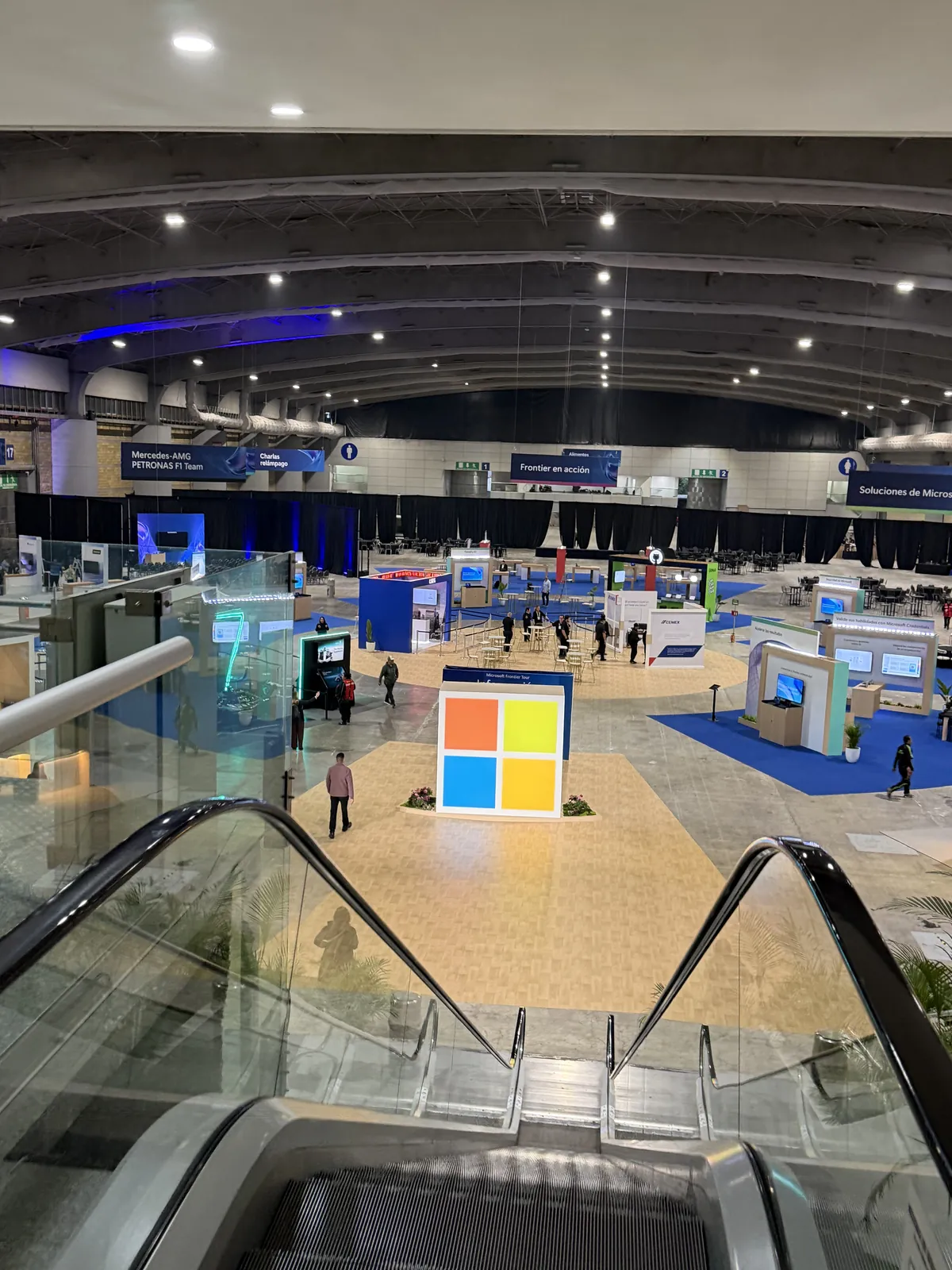
On October 29, Microsoft brought Microsoft Frontier Tour to Expo Santa Fe in Mexico City. It was a full day of keynote, sessions for business leaders and technical workshops on how organizations are bringing artificial intelligence into their operations.
FCTECH took part as a sponsor with our booth 008. Here is what stood out to us from the keynote and the sessions, and how things went at the booth.
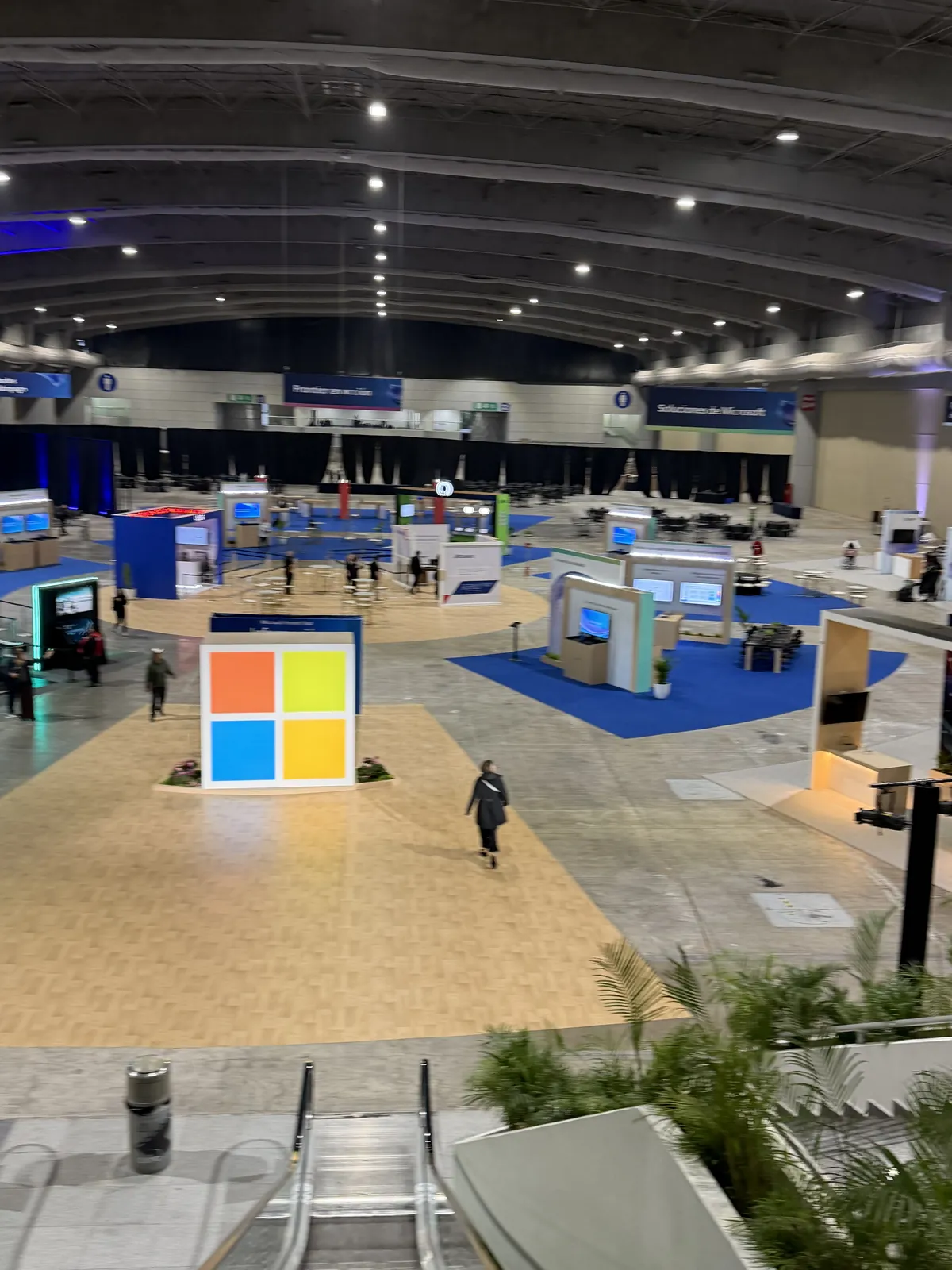
The keynote: Frontier Transformation
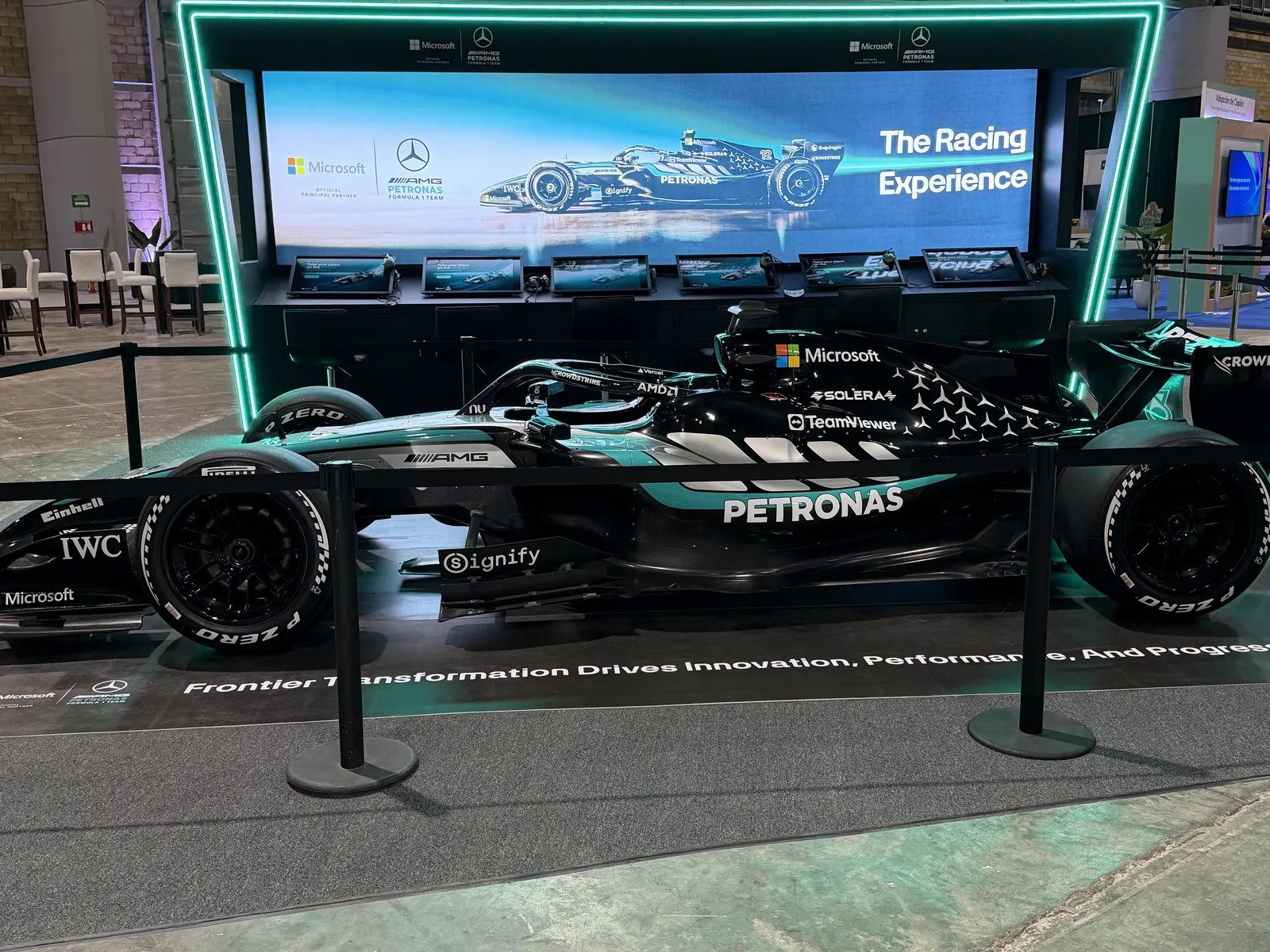
The main keynote, Frontier Transformation, set out an idea that came up all day: transforming with AI goes beyond efficiency. It is about reimagining how work gets done, putting AI at the center of operations to unlock growth and amplify human potential.
Microsoft showed how its intelligence and trust platforms let organizations build, observe and fine-tune agentic workflows at scale. On stage were the President of Microsoft Latin America, the General Manager of Microsoft Mexico and the Corporate Vice President of Azure, together with leaders from Mercado Libre, Grupo Bimbo and CEMEX, who shared how they are applying it in their organizations.
The line that sums up the day appeared in several sessions: Frontier Transformation depends on intelligence plus trust.
Security: AI changed the rules
In Secure the Frontier, by Marlenne Prieto (Senior Solution Engineering Manager, Cybersecurity, Latin America at Microsoft), and How to prepare customers for AI, the message was direct: AI has changed the physics of cybersecurity, for attackers and defenders alike.
According to the figures Microsoft presented, more than 80% of tactical attack operations are now run autonomously by AI agents, and the window between finding a vulnerability and exploiting it has shrunk from days to hours.
Inside organizations, the challenge is growing too:
- 29% of employees have used unsanctioned AI agents for work tasks (Hypothesis Group survey for Microsoft, 2025).
- By 2029, 60% of secure access requests will come from non-human identities (Gartner, 2025).
- 80% of leaders cite data leakage as one of the top risks of AI (Microsoft, 2025).
Microsoft proposes a new security operating model in three parts: prepare for AI (discover and reduce exposure), secure AI (visibility and control over every interaction with agents, with Agent 365, Entra, Purview and Defender) and defend with AI (agents that help security teams respond at the speed of attacks). All on a Zero Trust foundation.
Readiness came up as well: according to Deloitte, 84% of companies have not redesigned jobs around AI capabilities, and according to IDC, 88% of the companies furthest ahead in AI report strong revenue growth, compared with 23% of the laggards.
That matches what we see with our customers: before enabling Copilot or agents, you need to review permissions, data exposure and controls. We cover it in our article on Copilot and measuring the risk.
Skills: adoption is a matter of mindset
In Drive AI adoption through skilling, Carlos Pardo (Director, Customer Skilling Lead, Microsoft Global Skilling) and Rodrigo del Rosal Ahumada (Digital Productivity Specialist at CEMEX) talked about the human side of adoption. Some ideas we took away:
- Fear is real, but courage is contagious. Nobody is being left behind; it is time to start, one skill at a time.
- Human skills will matter most: curiosity, courage, care, creativity and collaboration.
- According to IDC, 52% of organizations see analytical judgment to evaluate AI output as essential for day-to-day work with agents.
- Return on investment comes after people adopt the technology, and training works best once the tool is already deployed.
Microsoft shared results from applying these practices internally, such as 40% more sales opportunities, and introduced AI Skills Navigator, a learning space with personalized plans and content from Microsoft, LinkedIn and GitHub.
Development: agentic coding with GitHub Copilot CLI
The Agentic coding with GitHub Copilot CLI workshop walked through how Copilot has evolved: from suggesting the next lines in milliseconds, to editing several files in seconds, to completing whole tasks in agent mode in minutes.
The core lesson was context: say exactly what you mean, using instruction files, custom agents, agent skills and MCP servers. In the exercise, participants built a feature, tested it with the Playwright MCP server, had a custom agent run an accessibility review and had another one open the pull request. There is even a command to ask a different model to review the plan or the code.
It is the same idea we shared in AI doesn’t fix broken processes: specialized agents, with context and clear limits, reviewing the work of other agents.
Our booth
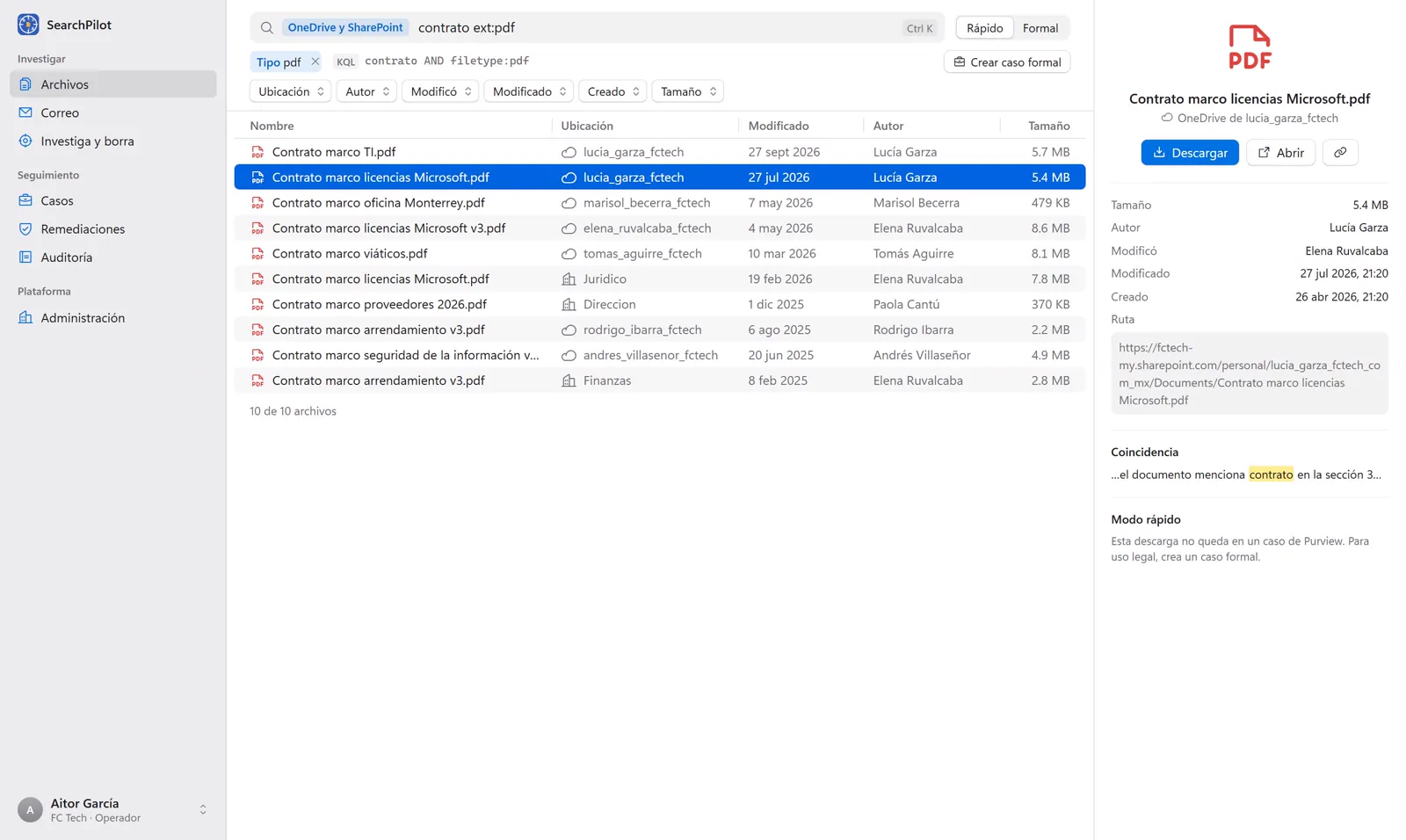
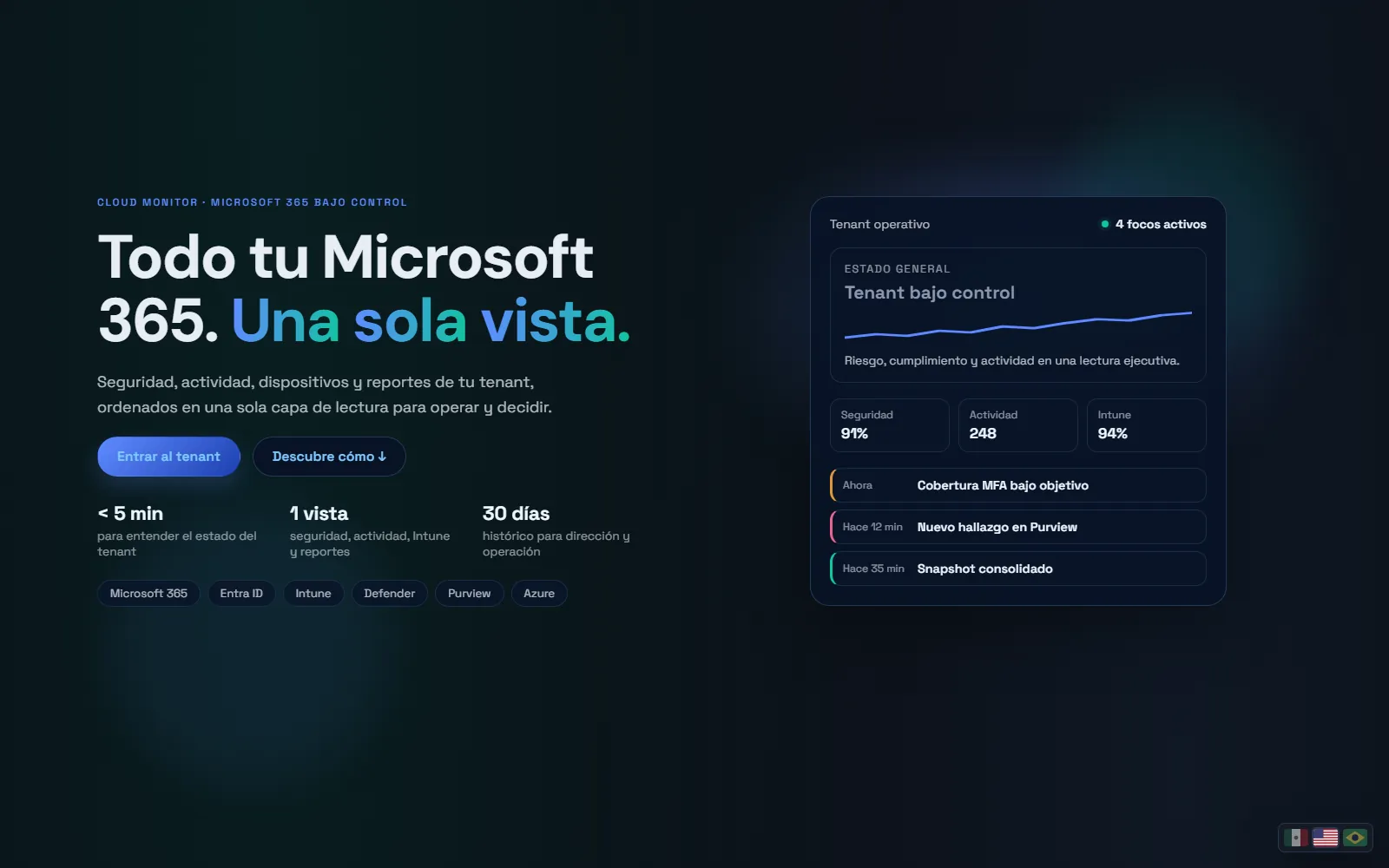
At booth 008 we showed our Microsoft 365 and Azure solutions live, such as monitoring Azure services and analyzing what information an organization has, where it lives and who can see it. We talked with many IT and business teams about security, data governance, licensing and how to get ready for Copilot.
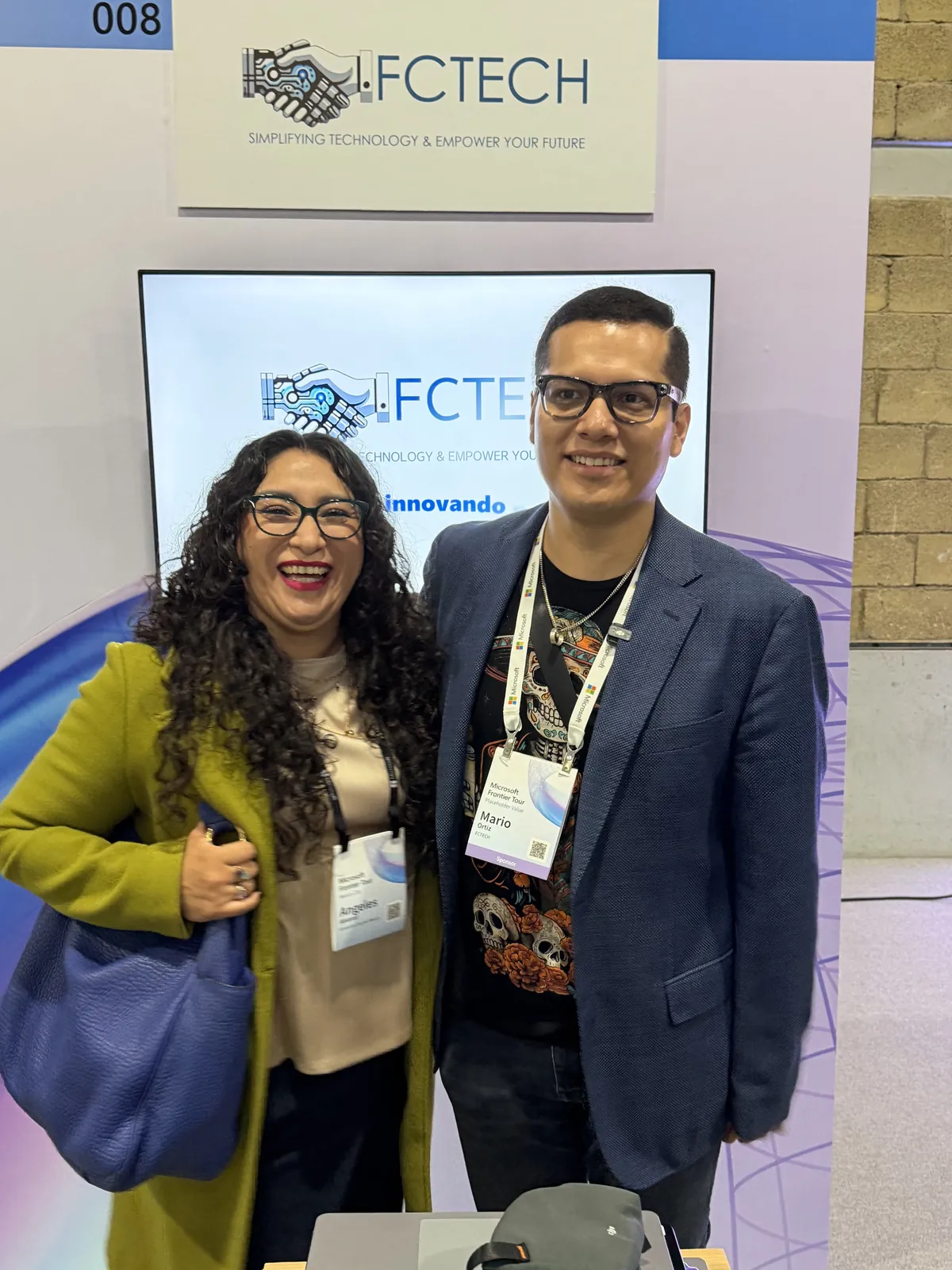
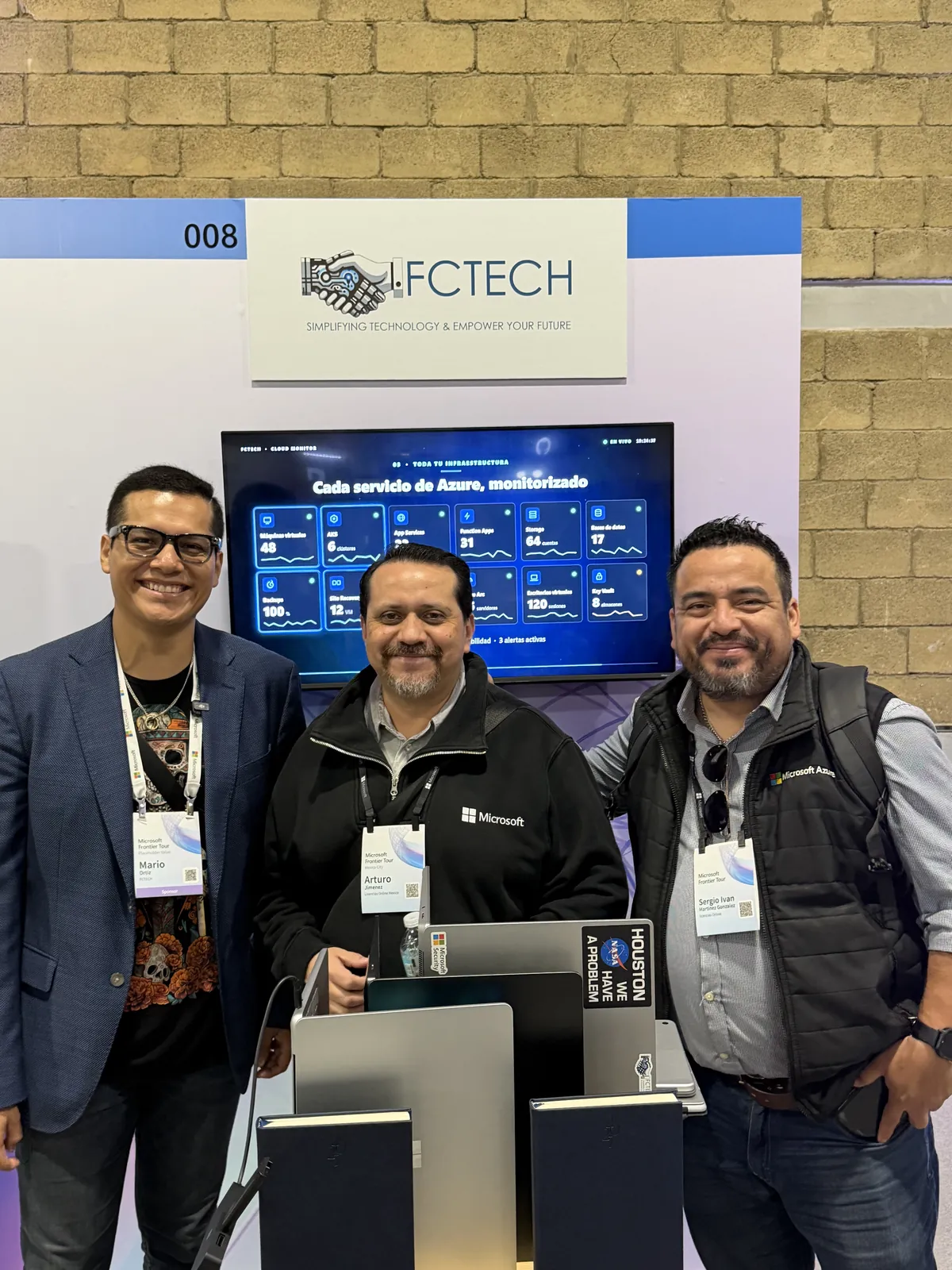
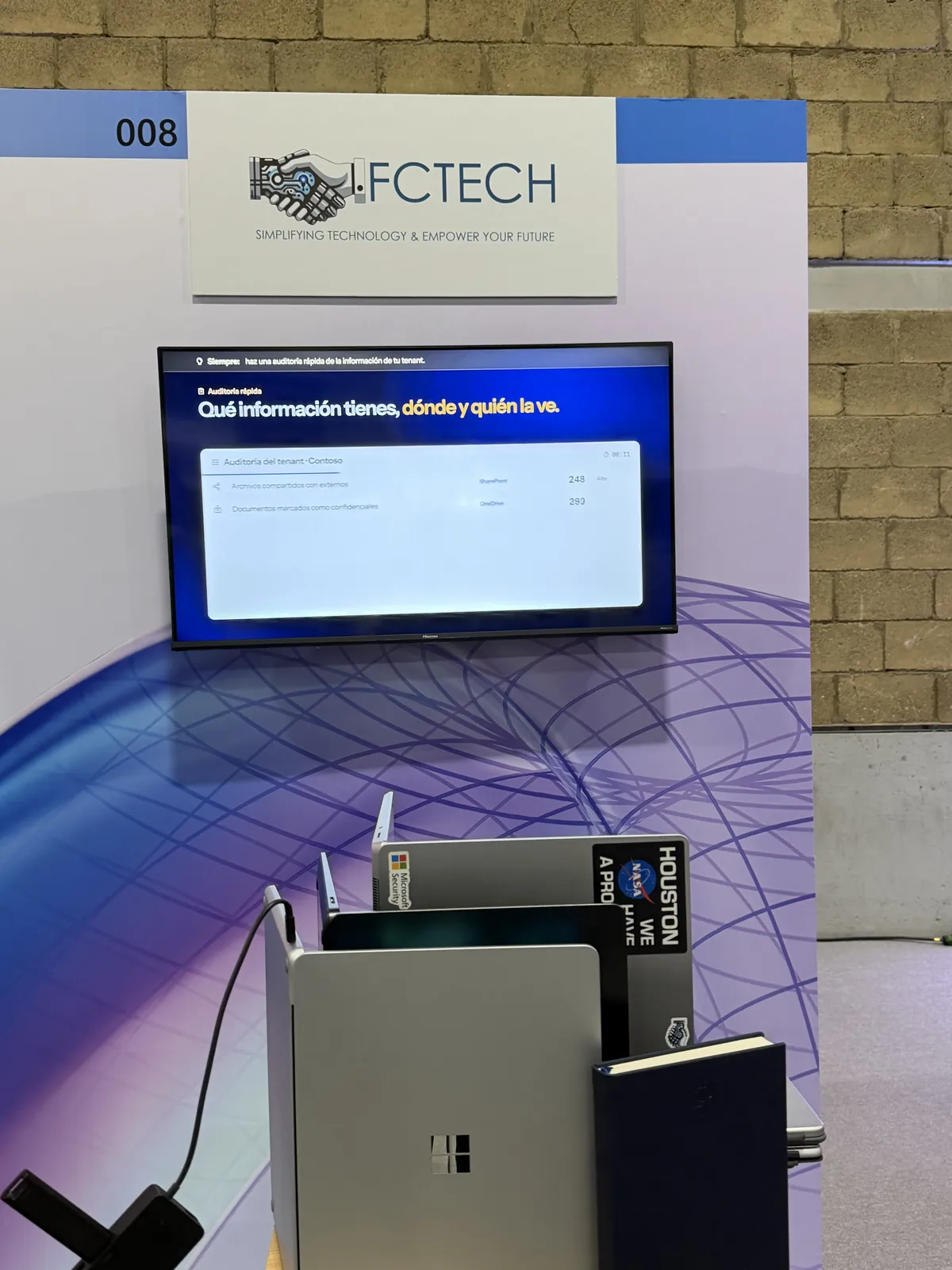
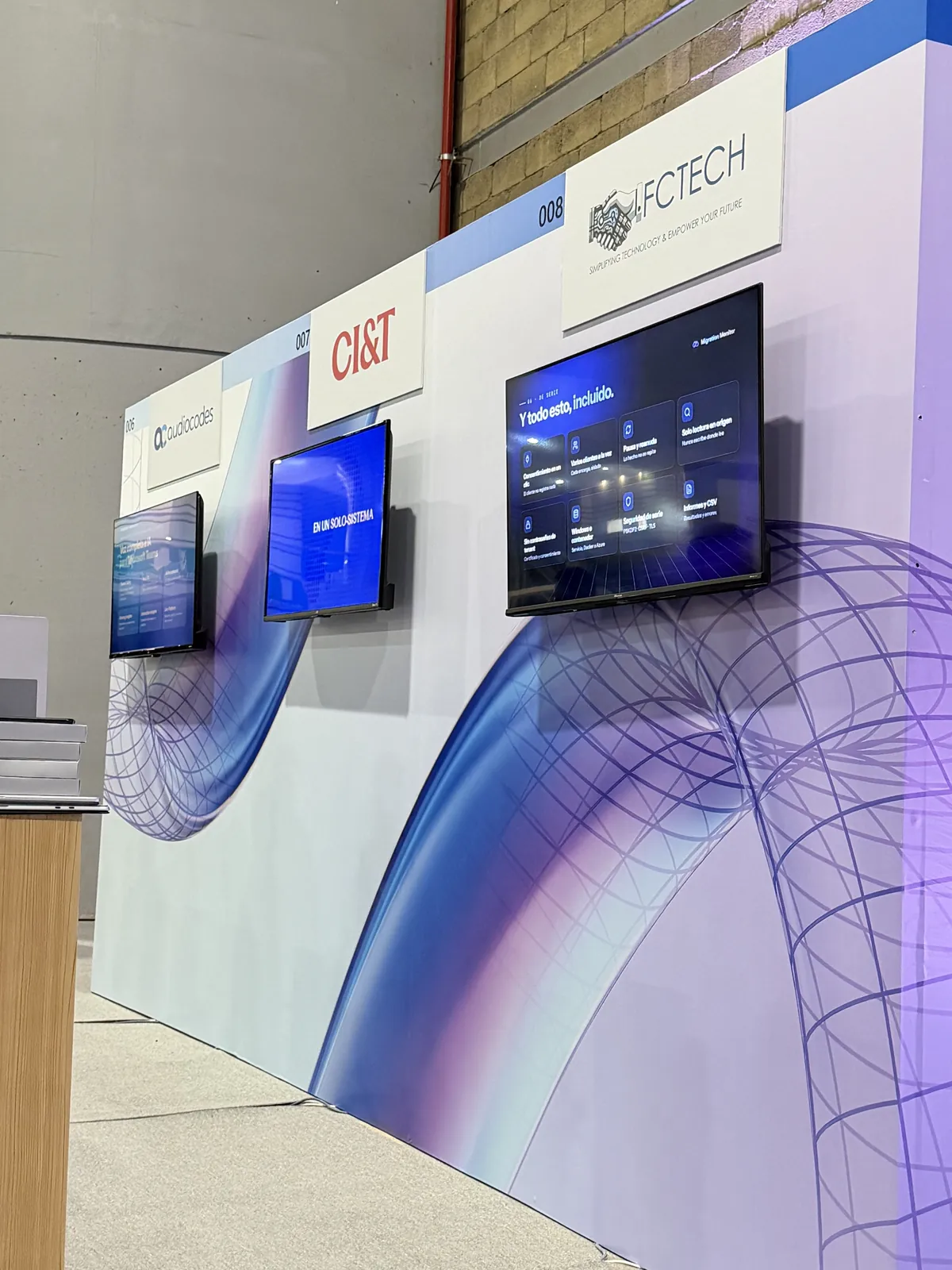
Thank you to everyone who stopped by and to the Microsoft team for the invitation. If you could not make it to the booth, we are happy to give you the demo online.
Our takeaways
- Intelligence plus trust. AI only scales when security and data governance come first.
- People stay at the center. Adoption depends on skills, judgment and a learning culture.
- Agents with context and limits. Speed comes from designing the system well, not just from using more AI.